


Below is an expanded, long-form blog post version of your 2025 Year in Review, written in a reflective yet professional tone suitable for srinivasu.org. It is structured for readability, depth, and SEO, while remaining authentic to your voice as an accessibility leader.
2025: A Year of Purpose, Progress, and People
— Srinivasu Chakravarthula
As 2025 comes to a close, I find myself reflecting with deep gratitude and clarity. This year was not defined by a single milestone, but by a consistent pursuit of purpose—advancing accessibility, strengthening communities, and learning continuously from people and experiences along the way.
Now more than two decades into my accessibility journey, 2025 reaffirmed something I strongly believe: accessibility is no longer a parallel conversation—it is central to digital maturity, product excellence, and ethical innovation.
This post is a reflection on the work, the moments, and the people that shaped my year.
Accessibility as Strategy, Not Afterthought
In my role as Director – Product Accessibility, much of 2025 was about reinforcing accessibility as a strategic enabler rather than a compliance requirement.
Across product discussions, roadmap conversations, and internal enablement initiatives, the focus steadily shifted toward:
- Building accessibility into design and engineering systems
- Embedding inclusive thinking early in the product lifecycle
- Helping teams understand that accessibility improves usability for everyone
What stood out this year was not just adoption, but ownership—more teams proactively asking the right questions and advocating for inclusive decisions themselves.
That cultural shift is slow, deliberate, and deeply rewarding.
Inclusive India: Digital First — A Growing Movement


One of the most defining highlights of 2025 was serving as Program Chair for the 4th edition of Inclusive India: Digital First.
What began years ago as an idea has grown into a flagship accessibility conference in India, bringing together:
- Practitioners and leaders
- Designers, engineers, and policy thinkers
- People with disabilities and allies
- Organizations committed to inclusive digital futures
This year’s edition saw:
- Over 55 speakers
- Nearly 500 attendees
- Conversations spanning accessibility, AI, regulation, design systems, and lived experience
What mattered most was not the scale, but the quality of dialogue—honest, challenging, and grounded in real-world impact. Inclusive India continues to remind me that community-driven progress is both possible and powerful.
AI, Accessibility, and Responsibility


On World Disability Day 2025, I had the opportunity to participate in a panel discussion in New Delhi focused on AI for Accessibility and Disability Inclusion.
AI dominated conversations throughout the year—and rightly so. But accessibility brings a necessary lens of responsibility:
- Who benefits from AI?
- Who might be excluded or harmed?
- How do we ensure assistive technologies remain empowering rather than limiting?
The discussion reinforced a critical message:
AI can accelerate inclusion—but only if guided by human values, lived experience, and ethical intent.
Accessibility professionals have a vital role to play in shaping that future.
Reaffirming Professional Commitment
Mid-year, I renewed my IAAP certification, a moment that prompted quiet reflection rather than celebration.
After many years in the field, certification is no longer about validation—it is about staying accountable to evolving standards, practices, and responsibilities. Accessibility is dynamic. Technologies change. User expectations change. Our learning must continue.
Recertification was a reminder that credibility in this space is earned not by tenure alone, but by continuous engagement and humility.
Writing, Reflection, and Storytelling
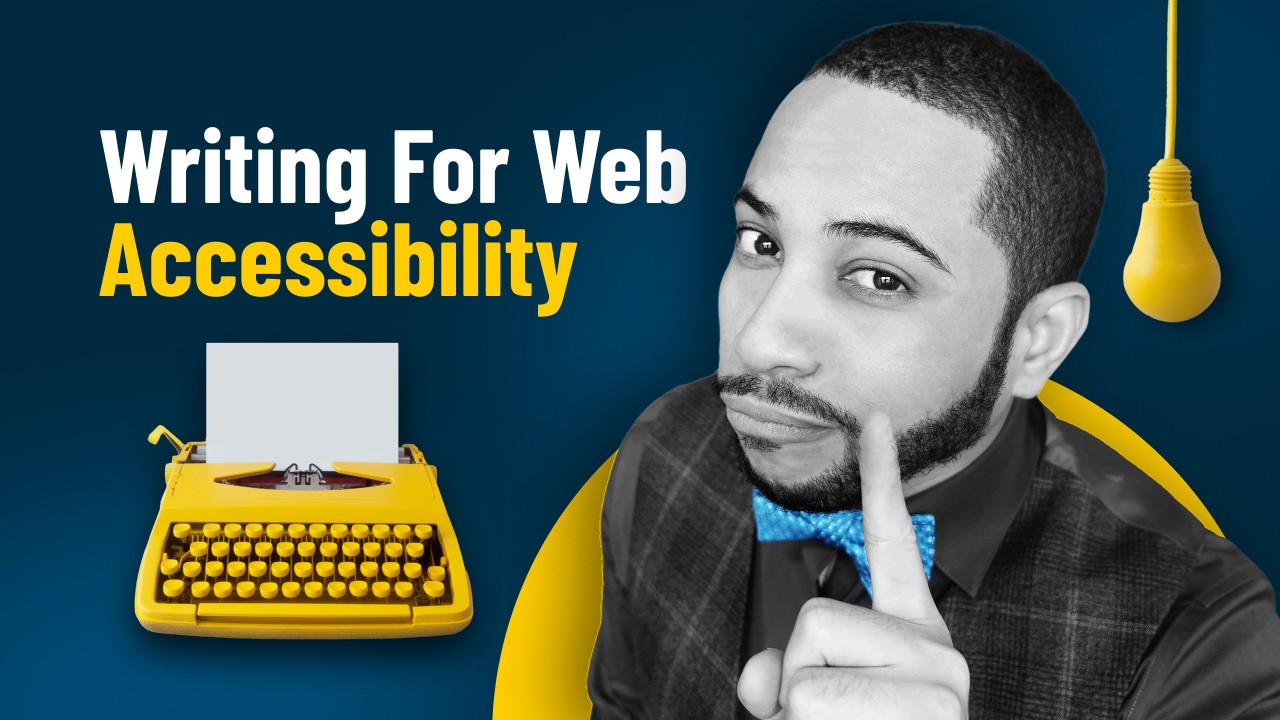


Throughout 2025, writing remained a powerful tool for reflection.
Some posts looked outward—sharing insights from conferences like SPM Summit 2025, where product thinking intersected meaningfully with accessibility.
Others were deeply personal—such as revisiting the early days of my accessibility journey, including my time at BarrierBreak. Writing about “20 years of accessibility” was not about nostalgia; it was about recognizing how far the ecosystem has come, and how much responsibility we now carry.
Storytelling continues to be one of the most effective ways to:
- Normalize accessibility conversations
- Inspire new practitioners
- Document institutional memory in a rapidly evolving field
Community, Leadership, and Service
Beyond professional spaces, 2025 was also a year of connection and service.
Engagements through Rotary and other community platforms reinforced the idea that leadership extends beyond the workplace. Whether discussing accessibility, inclusion, or broader social responsibility, these interactions grounded me in perspectives outside technology—and reminded me why inclusion must always be human-centered.
People Who Made the Year Meaningful
No year is complete without acknowledging the people who make the journey worthwhile.
2025 was enriched by:
- Colleagues who challenged assumptions
- Accessibility practitioners who shared generously
- Community organizers who created safe spaces for dialogue
- Friends and family who provided balance and perspective
Professional growth is never solitary. It is shaped by trust, disagreement, collaboration, and shared intent.
Looking Ahead
As I step into 2026, I do so with cautious optimism.
Accessibility is gaining visibility—but visibility alone is not impact. The work ahead requires:
- Deeper integration into business strategy
- Stronger accountability mechanisms
- Continued advocacy rooted in lived experience
- Thoughtful application of emerging technologies like AI
I remain committed to contributing where I can—through leadership, mentorship, writing, and community building.
If 2025 taught me anything, it is this:
Inclusive progress is slow, collective, and absolutely worth the effort.
Thank you to everyone who walked a part of this journey with me.
Leave a comment